







After 200 Years of Public Operation, the Academy of Natural Sciences Will Close Its Museum at the End of September

After 200 Years of Public Operation, the Academy of Natural Sciences Will Close Its Museum at the End of September
The Academy of Natural Sciences of Drexel University will close its museum at the end of September, ending nearly 200 years of public operation on the Benjamin Franklin Parkway. The decision was announced in a joint message from Drexel University President Antonio Merlo and Academy of Natural Sciences Board of Trustees Chair Suzanna Biemiller.
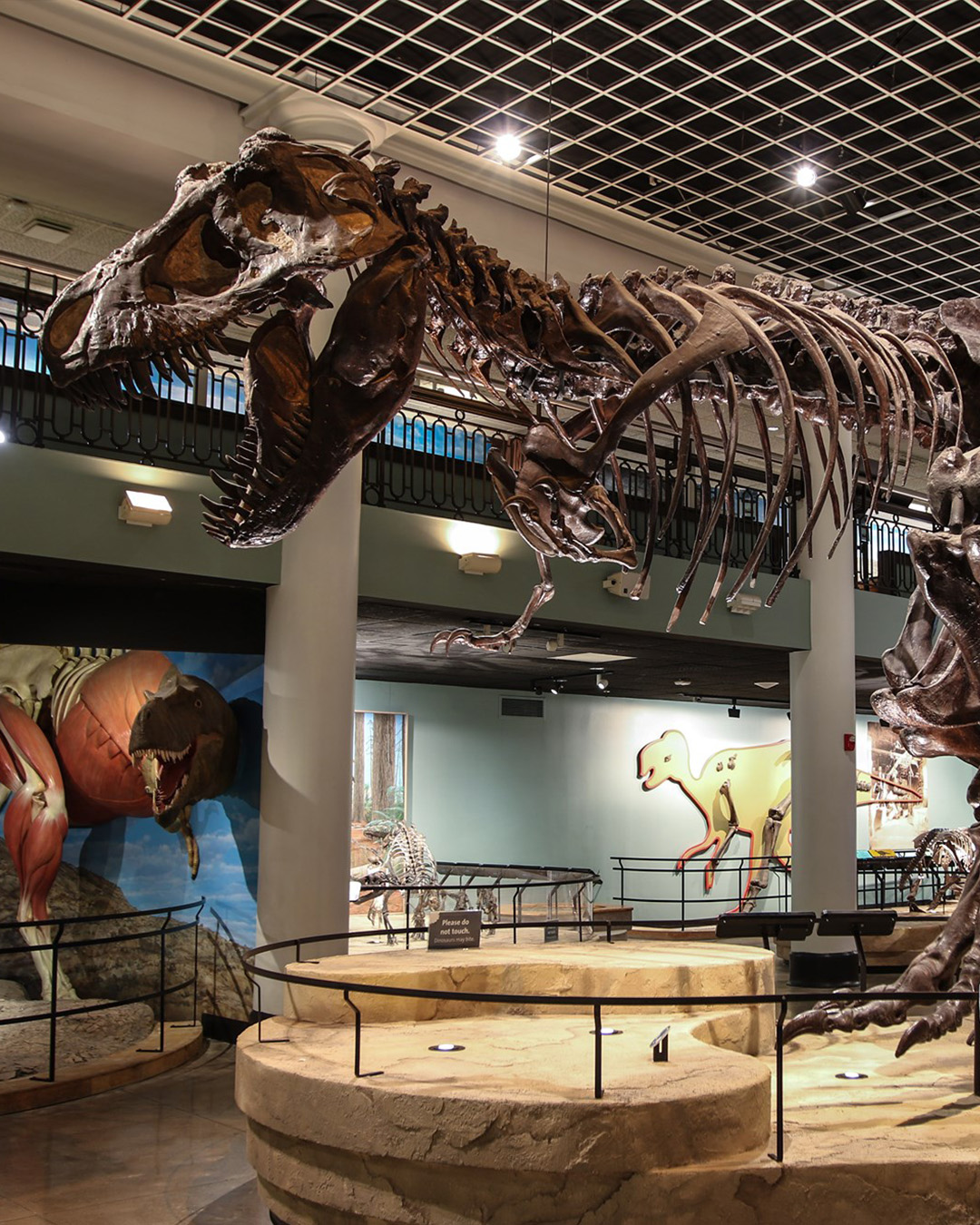
Founded in 1812 by seven naturalists, the Academy opened its museum to the public in 1828, becoming an early and influential institution in public natural history education. According to Drexel and Academy leadership, the museum will officially close as of September 30, though the Academy says it remains committed to public engagement and education, and is working to identify new, financially sustainable ways to display elements of its collections and continue public engagement with the natural sciences going forward.
According to the announcement, Academy and Drexel leadership spent recent years working to rebuild museum attendance and engagement following the COVID-19 pandemic, including investment in new galleries, exhibitions and programming. While those efforts produced some success, leadership said visitation patterns and audience behavior changed in lasting ways, while the cost of operating the museum continued to rise. Leadership described these shifts as fundamental changes to the Academy’s operating model rather than temporary pressures.
“As you may be aware by now, the Academy of Natural Sciences will be closing its museum doors at the end of September. The decision was not made lightly, and we join all of you in recognizing that this is a loss for Philadelphia and the region. For nearly 200 years, the museum has been a welcoming space, creating memories for generations of families, schoolchildren, nature lovers and scientists. The Academy is more, however, than the galleries and display areas. Our collections containing more than 19 million specimens and our critical scientific research must be prioritized. We hope you will stay connected to the Academy and its mission of learning from and preserving the natural world,” their official statement read.
After reviewing a range of alternatives, Academy and Drexel leadership concluded that continuing to operate the museum in its current form and location would place increasing strain on the resources needed to protect the Academy’s collections and support its research work. Leadership described the closure of the Parkway museum as a difficult decision made to concentrate resources on the Academy’s long-term scientific assets and research mission, while also describing the closure as an initial step in a broader effort to build a sustainable future for the institution.
Following the museum’s closure, the Academy says its near-term focus will be on the stewardship of its scientific collections, which include more than 19 million biological specimens, fossils, archives and other scientific resources. The collections include more than 73,000 type specimens, which the Academy says position it as a significant reference point for global biodiversity research. Specimens from the collection are regularly accessed through global online databases and cited in scientific publications.
The Academy’s Library and Archives holds more than 75,000 titles related to natural science literature, including rare volumes dating back to 1529, and is described as one of North America’s most comprehensive repositories of its kind.
According to the announcement, these collections continue to serve as active scientific infrastructure, supporting researchers studying environmental change, biodiversity loss and conservation efforts around the world. Academy and Drexel leadership said they remain committed to the long-term stewardship of these collections, with the goal of continuing to serve researchers, educators, students and the public.
The Academy of Natural Sciences has been affiliated with Drexel University since 2011. Since that time, the two institutions have established Drexel’s Department of Biodiversity, Earth and Environmental Sciences, expanded experiential learning opportunities, and advanced research in biodiversity and environmental science.
According to the announcement, Drexel and Academy leadership continue to engage with the offices of the Pennsylvania governor and Philadelphia mayor, including the Hon. David L. Cohen, who has been designated by the governor to serve as a third-party facilitator in discussions about the Academy’s long-term future. Leadership said these discussions are focused on strengthening the Academy’s scientific mission, maintaining access to its collections, expanding public engagement in the natural sciences, and preserving the Academy’s presence in Philadelphia. While leadership noted that significant work remains, they described a shared commitment and growing momentum toward a long-term path forward for the institution.